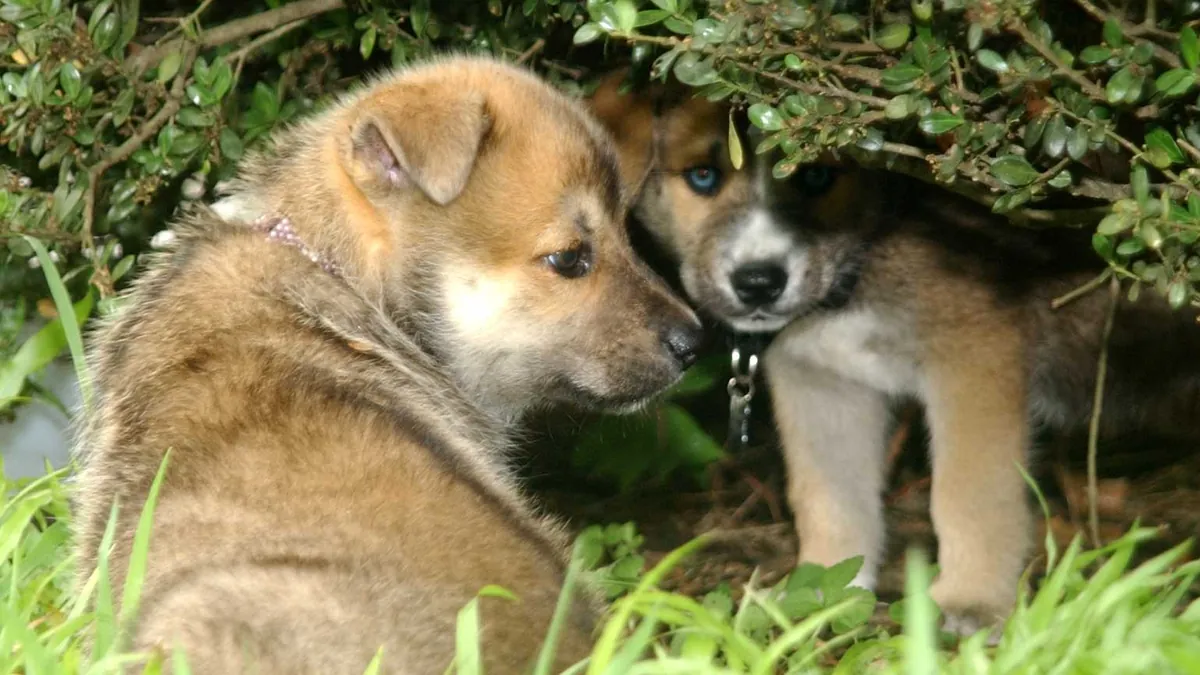

A Siberian Husky Shepherd mix is a cross between a Siberian Husky and a German Shepherd Dog: an athletic, smart, people-focused dog with a lot of coat and a lot of energy. You’ll often hear it called a “Gerberian Shepsky” or “Shepsky.” Those are informal nicknames; no major kennel club recognizes the cross, and there is no breed standard for it.
If you’ve met one, there’s a good chance it was through a shelter kennel card that said “Husky/Shepherd mix.” Here’s what the parent breeds’ official sources can tell you about size, temperament, health and care, and where the honest answer is “it depends on the dog.”
At a glance
- Adult size: medium-large to large. Siberian Huskies are 20 to 23.5 inches and 35 to 60 pounds; German Shepherd Dogs are 22 to 26 inches and 50 to 90 pounds (AKC Siberian Husky, AKC German Shepherd Dog).
- Lifespan frame of reference: the AKC lists 12 to 14 years for both parent breeds. There is no published figure for the mix.
- Energy: high. Both parents are working breeds that need a lot of exercise.
- Shedding: heavy. Both have double coats with big seasonal sheds.
- Health to screen for: hip and elbow dysplasia, eye disease, degenerative myelopathy, and bloat, all documented in one or both parent breeds.
- Good fit for: an active person or household with time for daily exercise and training, a secure fence, and a tolerance for dog hair.
What a Husky Shepherd mix actually is
A Husky Shepherd mix is a cross between a Siberian Husky and a German Shepherd Dog. Plenty of shelter dogs with this label have other breeds in the mix too, especially since “husky” is used loosely for many northern-type dogs. Only a DNA test can tell you for sure; our guide to figuring out your dog’s breed explains how.
The two parents were built for different work:
- The Siberian Husky is a sled dog. The AKC describes it as “a thickly coated, compact sled dog of medium size and great endurance,” developed to pull light loads at moderate speeds over long distances (AKC Siberian Husky). The breed’s ancestors were bred by the Chukchi people of northeastern Asia as both family companions and endurance sled dogs.
- The German Shepherd Dog is, in the AKC’s words, “generally considered dogkind’s finest all-purpose worker,” a large, agile, muscular dog “of noble character and high intelligence” that descends from German herding dogs (AKC German Shepherd Dog).
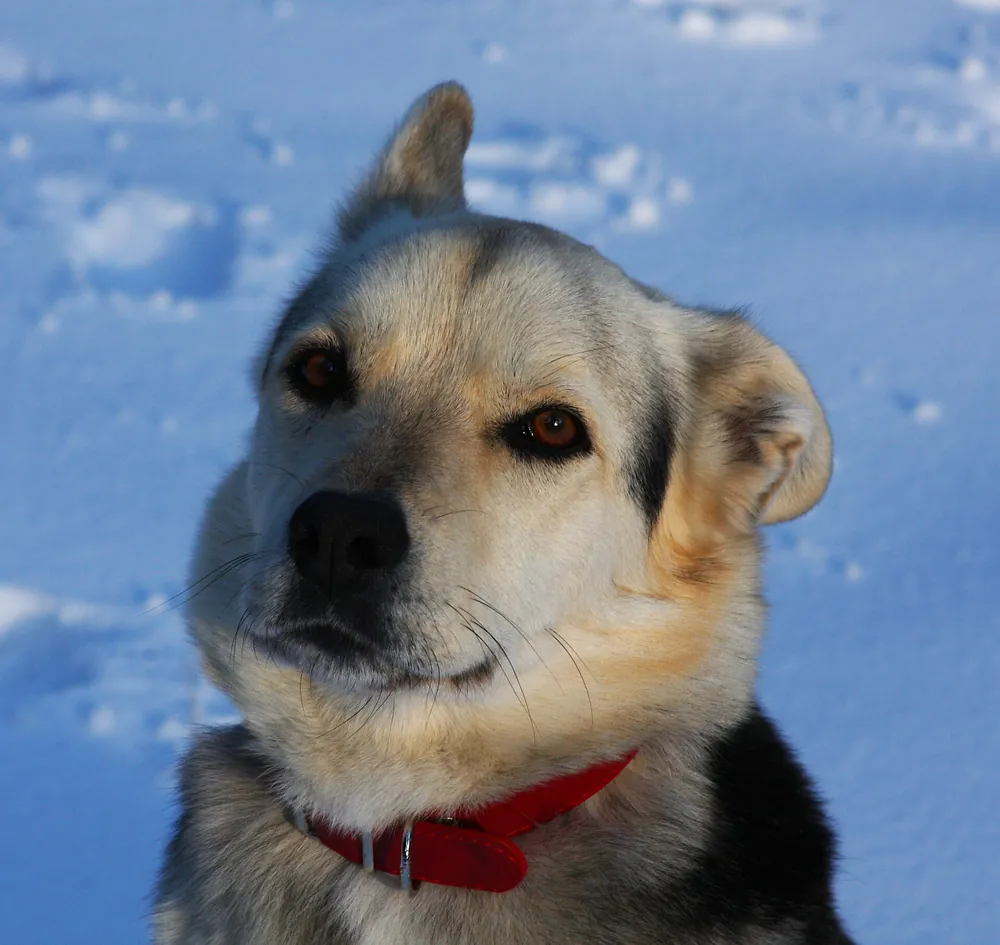
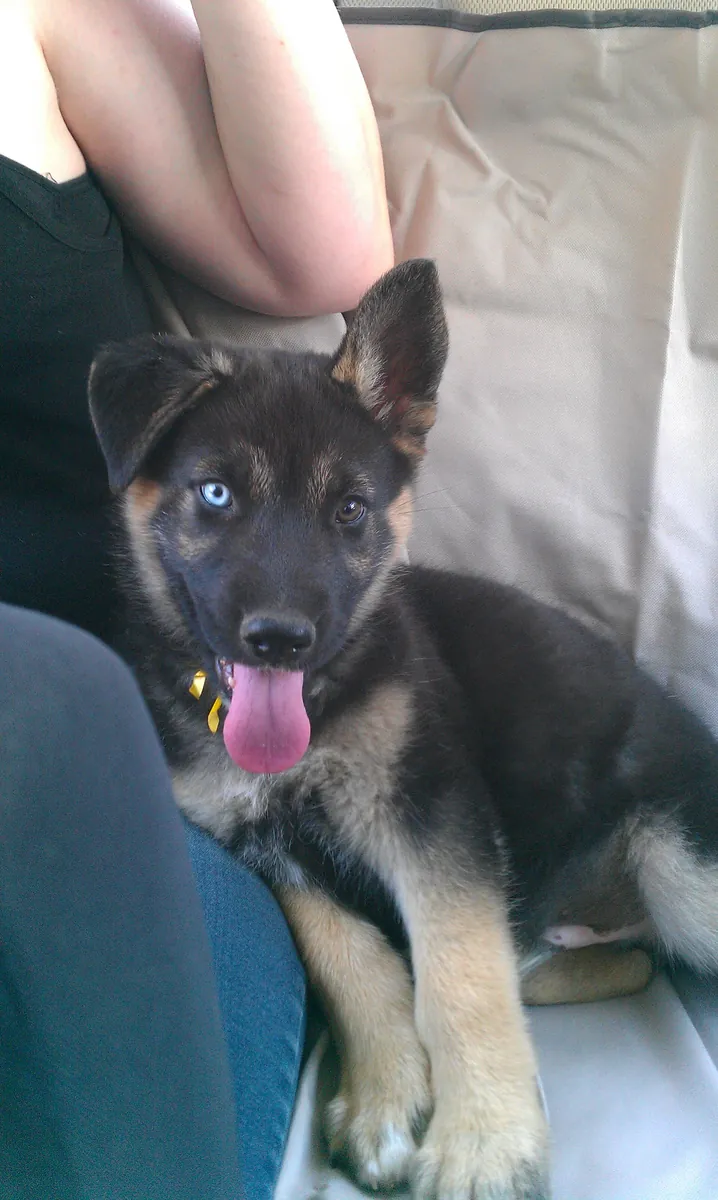
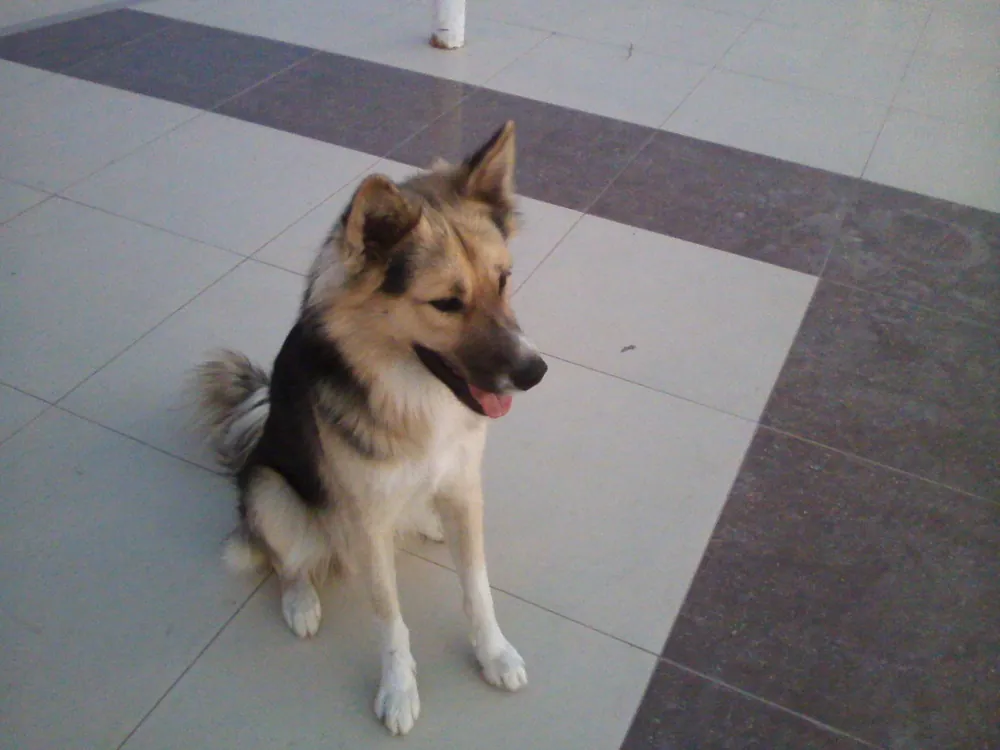
Each puppy inherits its own shuffle of genes, so two littermates can look and act like different breeds. Some have a Husky’s blue eyes (the AKC notes Huskies’ eyes can be brown, blue, or one of each), some have a Shepherd’s black-and-tan saddle, and many fall somewhere in between.

Where the Siberian Husky club stands
It’s worth knowing that the Siberian Husky Club of America, the breed’s AKC parent club, states plainly that it “condemns all cross-breeding of the Siberian Husky” (SHCA). That is a statement about breeding, aimed at people producing litters. It isn’t a judgment on the dogs themselves or on anyone who already loves one or adopts one from a shelter. Those dogs are here, and they deserve good homes.
How big does a Husky Shepherd mix get?
Start with the parents’ published ranges:
| Siberian Husky | German Shepherd Dog | |
|---|---|---|
| Height, male | 21 to 23.5 inches | 24 to 26 inches |
| Height, female | 20 to 22 inches | 22 to 24 inches |
| Weight, male | 45 to 60 pounds | 65 to 90 pounds |
| Weight, female | 35 to 50 pounds | 50 to 70 pounds |
| Life expectancy | 12 to 14 years | 12 to 14 years |
Sources: AKC Siberian Husky, AKC German Shepherd Dog.
A mix can land anywhere between these ranges, and occasionally outside them. The Husky is noticeably lighter; the AKC says Siberians tip the scales at “no more than 60 pounds.” Females usually run smaller than males. With a puppy, the mother’s size is the best clue you’ll get. With an adult rescue, you can see exactly what you’re getting.


Coat, colors and shedding
Coat. Both parents have a double coat. The Siberian Husky has an undercoat and guard hair, and the German Shepherd has “a dense, harsh, and close-lying outer coat with a softer undercoat” (AKC German Shepherd Dog).

Shedding. Expect plenty. The AKC says the Husky sheds its undercoat twice a year and that the old coat needs to be raked out with a pin brush and metal comb. The German Shepherd sheds “more profusely once or twice a year” and benefits from a quick brushing every few days the rest of the time. The Husky club jokes that during a shed, you’ll want “a comb and a bushel basket” (SHCA).
Bathing. The good news: both parents are low-odor. The AKC calls Huskies “remarkably self-cleaning,” often needing only a few baths a year, and says the German Shepherd needs only an occasional bath.
Temperament and training
The Husky side. The AKC calls Siberians “friendly, fastidious, and dignified.” According to the Husky club, the breed is “affectionate but not fawning,” “not usually a one-man dog,” and “exhibits no fear or suspicion of strangers.” Of that friendliness, the club says, “This is not the temperament of a watchdog” (SHCA). Huskies are very social and, the AKC says, “not suited to being left alone all day.”
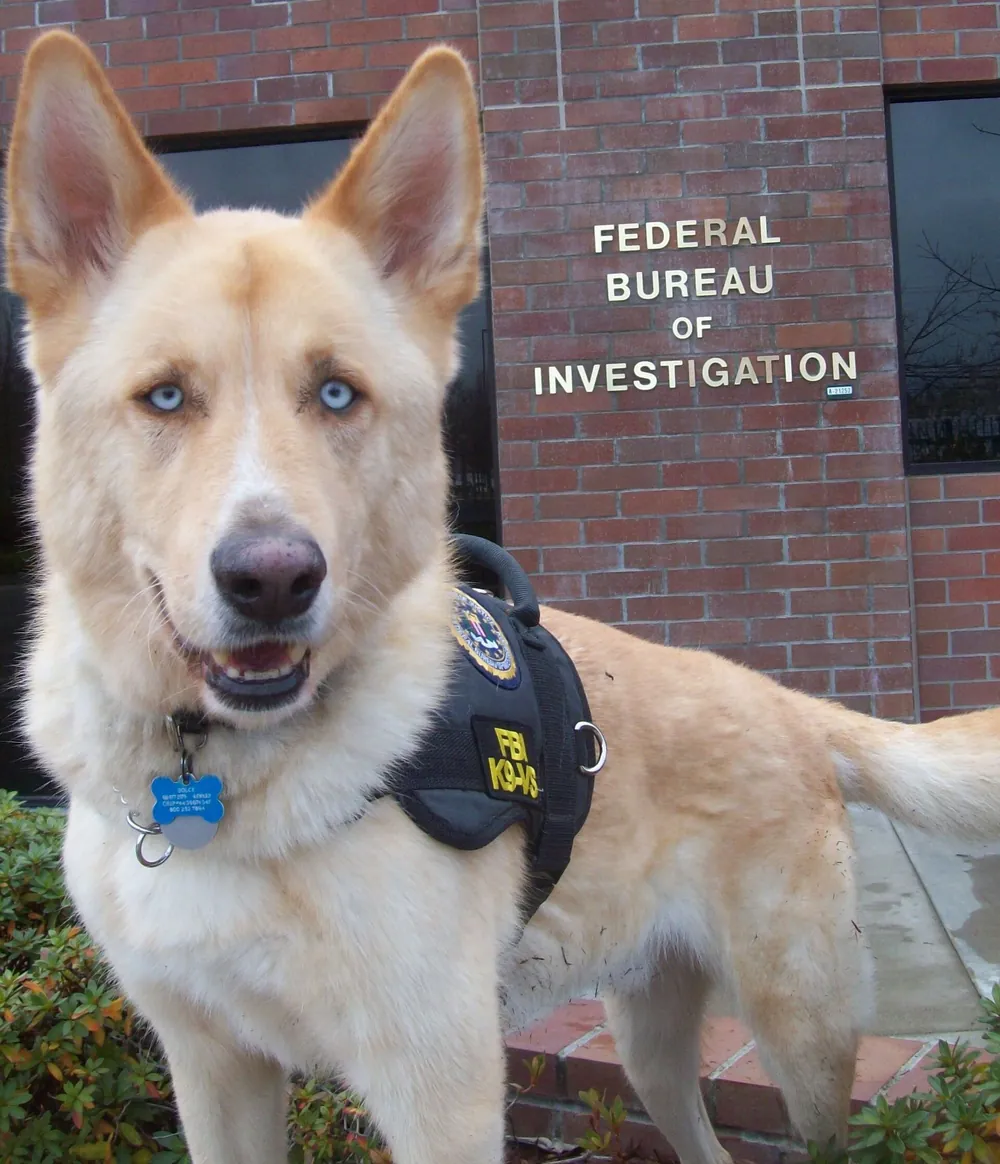

The Shepherd side. The AKC describes the German Shepherd as “loyal, confident, courageous, and steady,” “a highly intelligent companion and an extraordinary worker,” and “extremely bonded to his people,” happiest living with his family (AKC German Shepherd Dog).
What that can look like in a mix:
- People dog. Both sides want company. This isn’t a dog for a backyard-only life or long days alone.
- Strangers. A Shepsky might greet everyone like a Husky or be more reserved like many Shepherds. Early, positive socialization helps either way.
- Training. The AKC calls early socialization and puppy classes “vital” for German Shepherds and recommends consistent, positive, reward-based training. Huskies are intelligent but, as the club puts it, their “independent spirit may at times challenge your ingenuity.” Keep training fun and keep at it.
- Small animals. The Husky club warns that Huskies’ predatory instincts are strong, and that small animals, including cats, “are potential victims.” Ask how the specific dog does with cats.
- Digging and chewing. The Husky club calls digging holes “a pastime that many Siberian Huskies have a special proclivity for” (SHCA), so a mix may too.
Health issues to screen for
A mix can inherit health problems from either parent. The conditions below are documented for the parent breeds by the AKC and the Siberian Husky Club of America. This is not a diagnosis checklist; if something worries you, talk to your vet.
| Condition | Siberian Husky | German Shepherd Dog | Source |
|---|---|---|---|
| Hip dysplasia | Screened for; club lists it as a breed concern | Screened for | SHCA hips, AKC breed pages |
| Elbow dysplasia | Not on AKC’s recommended test list | Screened for | AKC German Shepherd Dog |
| Eye disease | Juvenile cataracts, corneal dystrophy, progressive retinal atrophy | Not on AKC’s recommended test list | SHCA eyes |
| Nervous system disease | DNA tests for SPS1 and SHPN1 | Degenerative myelopathy | AKC breed pages, SHCA health statement |
| Bloat | Not highlighted | ”Sudden and life-threatening” | AKC German Shepherd Dog |
What the parent-breed sources say
German Shepherd Dog. The AKC says “most German Shepherds are healthy dogs,” and that a responsible breeder will screen breeding stock for “degenerative myelopathy and elbow and hip dysplasia.” It also warns that German Shepherds “can experience bloat, a sudden and life-threatening swelling of the abdomen,” and that owners should learn its symptoms and what to do if it happens (AKC German Shepherd Dog). Ask your vet which signs to watch for and where your nearest emergency clinic is, before you ever need it.
Siberian Husky. The AKC says Siberian Huskies are “generally a healthy, relatively long-lived breed,” noting cancer and arthritis among health issues seen in the breed and a relatively low incidence of hip dysplasia and eye disease (AKC Siberian Husky). The Husky club says the three eye conditions of concern are hereditary (juvenile) cataracts, which can appear as early as 3 months of age; corneal dystrophy; and progressive retinal atrophy. Because eye problems can show up over several years, the club calls annual eye exams “imperative” (SHCA eyes). On hips, the club explains that hip dysplasia develops during the first two years of life and can lead to pain and arthritis (SHCA hips).
The AKC’s recommended tests are a hip evaluation, ophthalmologist evaluation and DNA tests for SPS1 and SHPN1 for Huskies, and hip, elbow and temperament evaluations for German Shepherds.
Exercise, grooming and daily care
Exercise. Plan for a lot. The AKC says Huskies “are active, athletic dogs who need a lot of exercise,” and that German Shepherds require “lots of exercise for his physical and mental well-being,” warning that an under-exercised Shepherd “will become frustrated and likely to develop undesirable behaviors.” Long daily walks, hikes, and activities like tracking, rally or agility suit this mix.
Leash and fence. This one matters. The AKC says Huskies “were bred to run and will do so at every opportunity” and should be on a leash, in harness, or in a fenced yard at all times. It gives similar advice for German Shepherds: don’t let them off leash, because even a well-trained dog can get distracted. The Husky club urges that no Husky ever be allowed unrestrained freedom, for its own protection. A secure, dig-resistant fence is a smart investment for a mix.
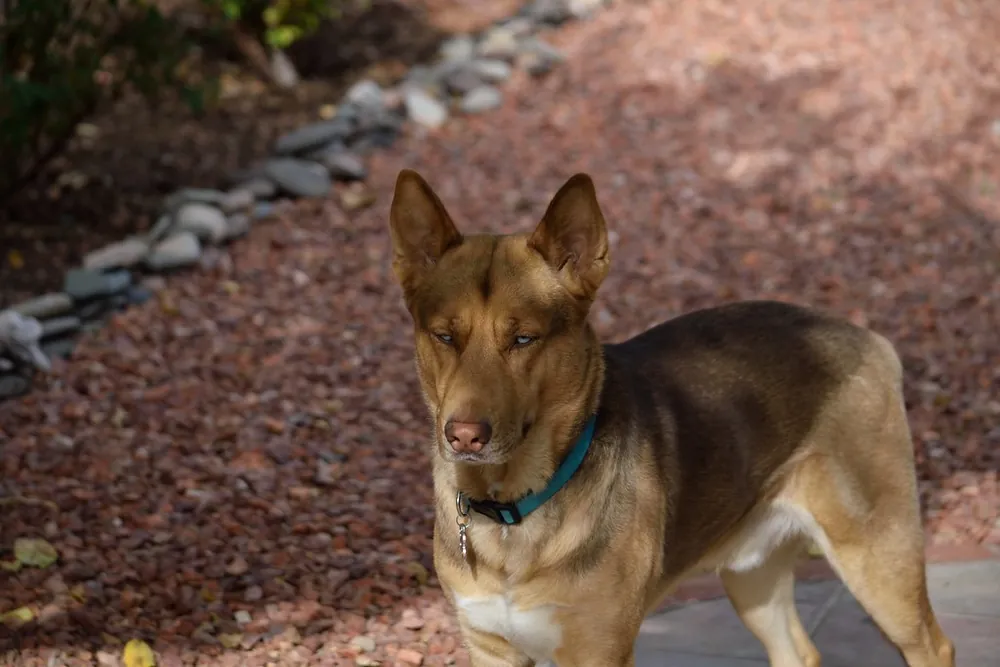
Grooming. Brush at least weekly, and every day or two during a heavy shed. Trim nails monthly if they aren’t worn down naturally, as the AKC recommends for German Shepherds.
Food. The AKC notes Huskies maintain a healthy weight on less food than other breeds their size, and both breeds do best on a quality food suited to their age and activity. Ask your vet how much keeps your dog lean.
Lifespan
No study has measured this mix’s lifespan, so any single figure you see online is a guess. As a frame of reference, the AKC lists 12 to 14 years for both the Siberian Husky and the German Shepherd Dog (AKC Siberian Husky, AKC German Shepherd Dog). The AKC also notes Huskies can stay quite active into their senior years.

Adopting a Husky Shepherd mix
Rescue or breeder?
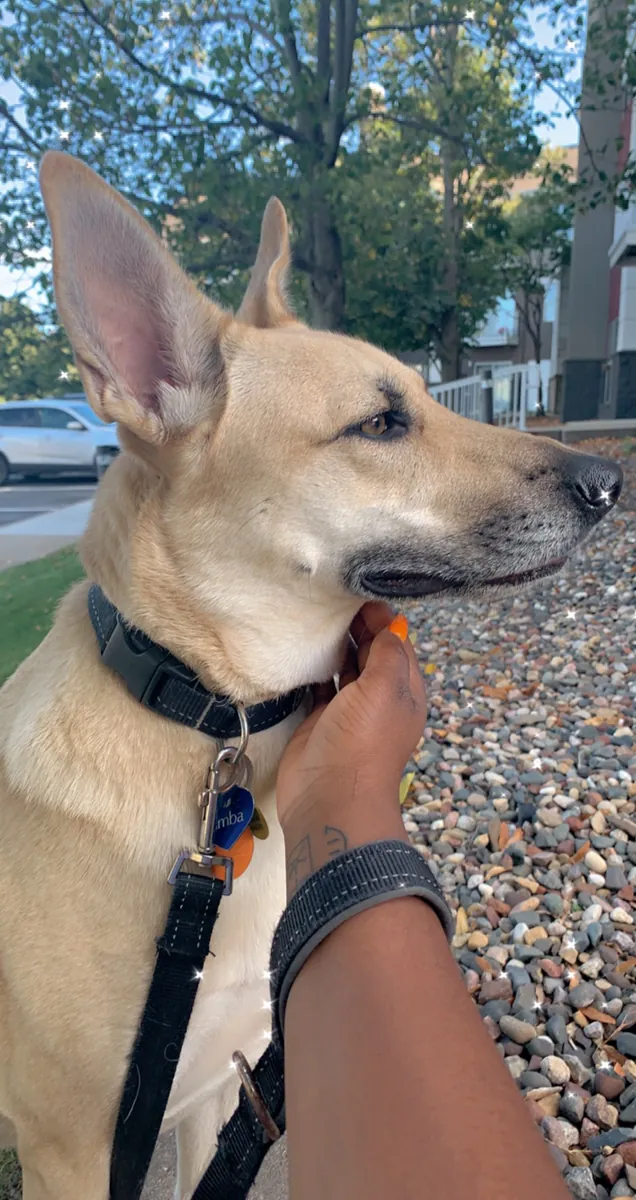
There is no breed club or recognized health-testing standard for this cross, and the Siberian Husky club opposes cross-breeding outright, so you won’t find a breeder with the kind of track record a reputable purebred breeder can offer. Many Husky Shepherd mixes come from accidental litters, and some end up in shelters and rescues. Search for both “Husky mix” and “Shepherd mix,” since breed labels are often a best guess.
Adopting an adult has a real advantage: you see the dog’s actual size, energy level and temperament instead of guessing.

Questions to ask a shelter or rescue
- Why was the dog surrendered, or was it found as a stray? Has it ever escaped a yard?
- How has it done with children, other dogs, cats and visitors?
- How much exercise has it been getting, and how does it behave when it hasn’t had enough?
- How does it handle being left alone, being handled, and vet visits?
- Any known health problems, especially hips, eyes or digestion? What does the adoption fee include?
- Is there a foster-to-adopt option, and what happens if it doesn’t work out?
Red flags in “Shepsky puppies for sale” ads
- No chance to meet the mother or see where the puppies are raised.
- No health screening on either parent. AKC’s recommended tests include hips and eyes for Huskies and hips and elbows for German Shepherds, and the Husky club notes Husky eye clearances are valid for only one year.
- Claims that the mix is “healthier” or free of the parents’ problems.
- “Wolf” or “part wolf” marketing. The Husky club stresses that the Siberian is a purebred dog, “not a wild, half-wolf, cross-bred creature.”
- Pressure to pay a deposit right away, or an offer to ship a puppy sight unseen.
Is this the right dog for you?
Probably a great fit if:
- You love long walks or hikes and want a dog to share them.
- Someone is home much of the day, or the dog can come along.
- You have a secure fence and are happy to keep the dog leashed outside it.
- You’re ready for regular training, and dog hair doesn’t bother you.
Think it over carefully if:
- The dog would be alone for long stretches most days.
- You can’t comfortably handle a strong, energetic dog on a leash.
- You have cats or other small pets and can’t find out how this dog does with them.
- A big vet bill would be a crisis. Price pet insurance before any condition becomes pre-existing.
To compare, see our guides to other Husky crosses, including the Golden Retriever Husky mix (Goberian), Doberman Husky mix, Husky Boxer mix, Vizsla Husky mix and Weimaraner Husky mix, and on the Shepherd side, the Labrador German Shepherd mix, the German Shepherd Doberman mix, the Weimaraner German Shepherd mix, the blue German Shepherd and the Dutch Shepherd.
Frequently Asked Questions
What is a Siberian Husky Shepherd mix called?
It is often nicknamed a “Gerberian Shepsky” or just “Shepsky.” Those are informal names. No major kennel club recognizes the cross as a breed, and there is no breed standard for it.
How big does a Siberian Husky German Shepherd mix get?
There is no official size for the mix. The AKC lists Siberian Huskies at 20 to 23.5 inches and 35 to 60 pounds, and German Shepherd Dogs at 22 to 26 inches and 50 to 90 pounds. A mix usually lands somewhere in between, so plan for a medium-large to large dog, with females usually smaller than males.
How long does a Husky Shepherd mix live?
There is no published lifespan for the mix itself. The AKC lists 12 to 14 years for both Siberian Huskies and German Shepherd Dogs, which is a reasonable frame of reference, but individual dogs vary.
Do Husky Shepherd mixes shed a lot?
Yes. Both parents have a double coat. The AKC says the Siberian Husky sheds its undercoat twice a year and the German Shepherd sheds more heavily once or twice a year. Plan on brushing at least weekly, and much more often during a heavy shed.
Are Husky Shepherd mixes good guard dogs?
Hard to predict. The Siberian Husky Club of America says the Husky is not a watchdog and greets strangers cordially, while the AKC calls the German Shepherd loyal, confident and courageous. A mix can lean either way, so judge the individual dog rather than the label.
Can a Husky Shepherd mix live with cats?
Some can, but ask carefully. The Siberian Husky Club of America warns that Huskies have strong predatory instincts toward small animals, including cats. If you have a cat, ask a shelter or foster home how the specific dog has done with cats before you adopt.
Before you go
Whatever its kennel card says, the Husky Shepherd mix in front of you is one specific dog with its own history, so weigh what you learn about that dog more heavily than anything on this page. And whatever dog you bring home, it’s worth deciding now who would care for it if you ever couldn’t. That’s what our A Home for Life guide is about. For more breed profiles, browse our breeds and adoption guides.
Sources
- American Kennel Club, Siberian Husky breed page (height, weight, life expectancy, recommended tests, history, health, nutrition, grooming, exercise, training)
- American Kennel Club, German Shepherd Dog breed page (height, weight, life expectancy, recommended tests, history, health and bloat, grooming, exercise, training)
- Siberian Husky Club of America, home page statement on cross-breeding (the club’s position on cross-breeding)
- Siberian Husky Club of America, The Siberian Husky (temperament, prey drive, shedding, digging, running, “not half-wolf”)
- Siberian Husky Club of America, Eye testing (juvenile cataracts, corneal dystrophy, PRA, annual eye exams)
- Siberian Husky Club of America, Hip screening (hip dysplasia)
- Siberian Husky Club of America, Health statement and Health testing: what to know (required tests, SPS1 and SHPN1, one-year eye clearances)