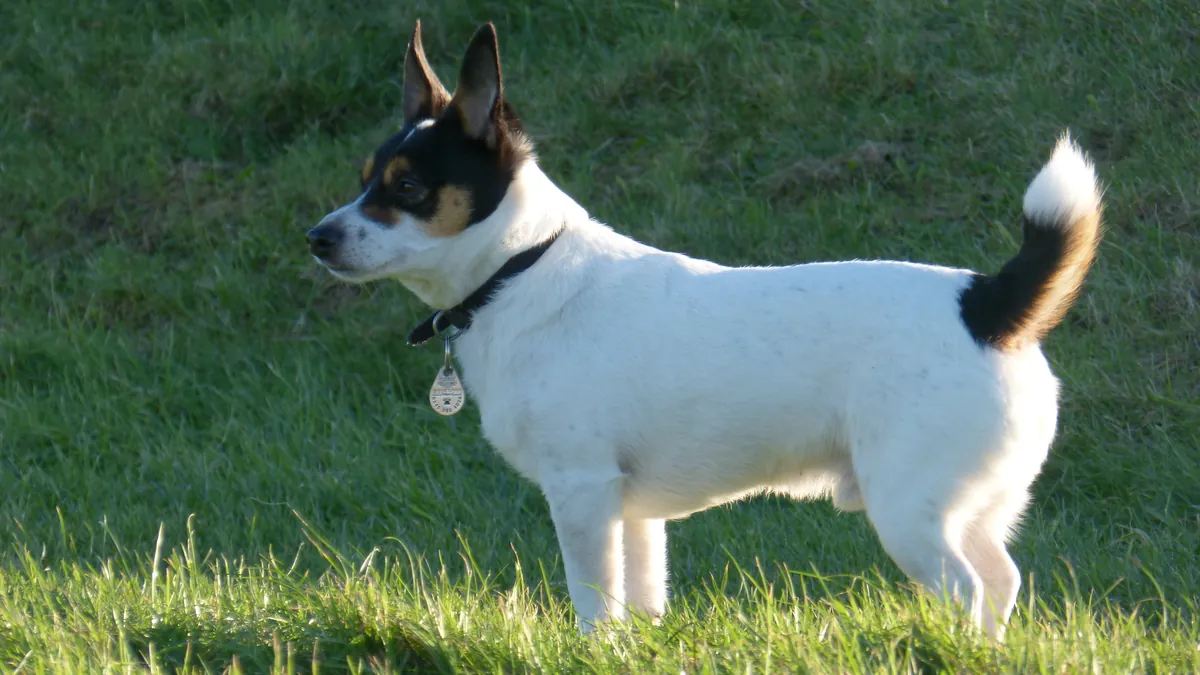
A Jack Russell Terrier Chihuahua mix, usually called a Jack Chi, is a cross between a Jack Russell-type terrier and a Chihuahua. Expect a small, short-coated, alert and energetic dog that is usually very attached to its people and quick to bark at the door. It isn’t a recognized breed, so size, looks and temperament vary from dog to dog, and the honest guide is what each parent breed is like, plus the dog in front of you.
You’ll also see the mix called a Jackahuahua, Jackhuahua or Jack-Chi, and you’ll often meet one in a shelter labeled “Chihuahua/Terrier mix.” Below is what the American Kennel Club (AKC), the United Kennel Club (UKC) and veterinary research can tell you, where the answer is “it depends on the dog,” and how to tell whether one fits your life.
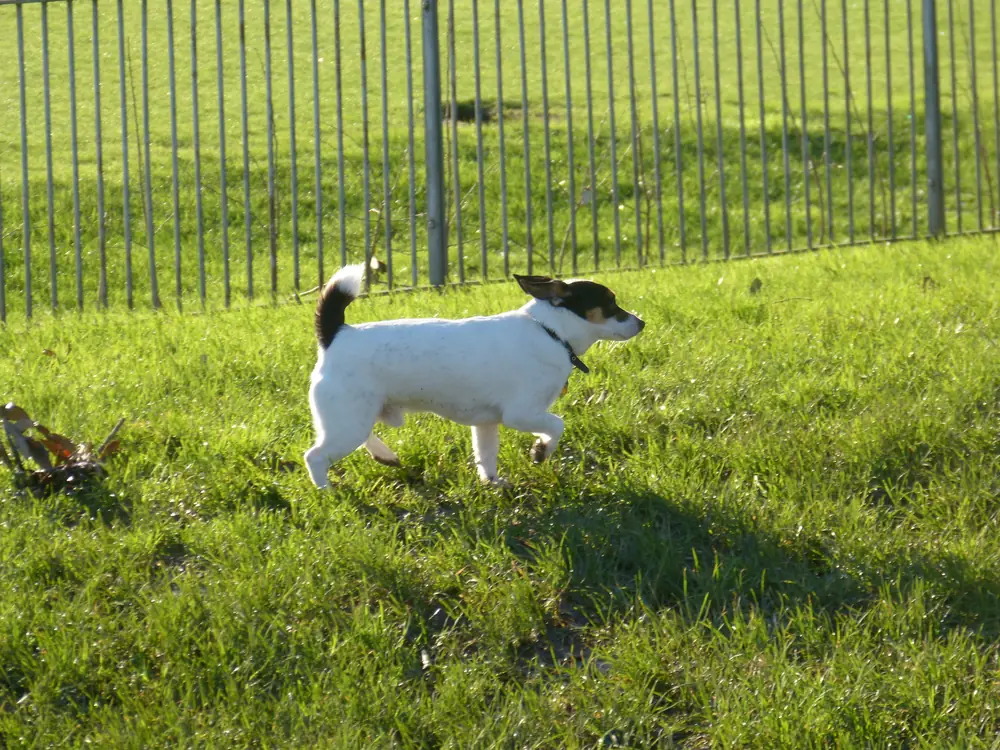
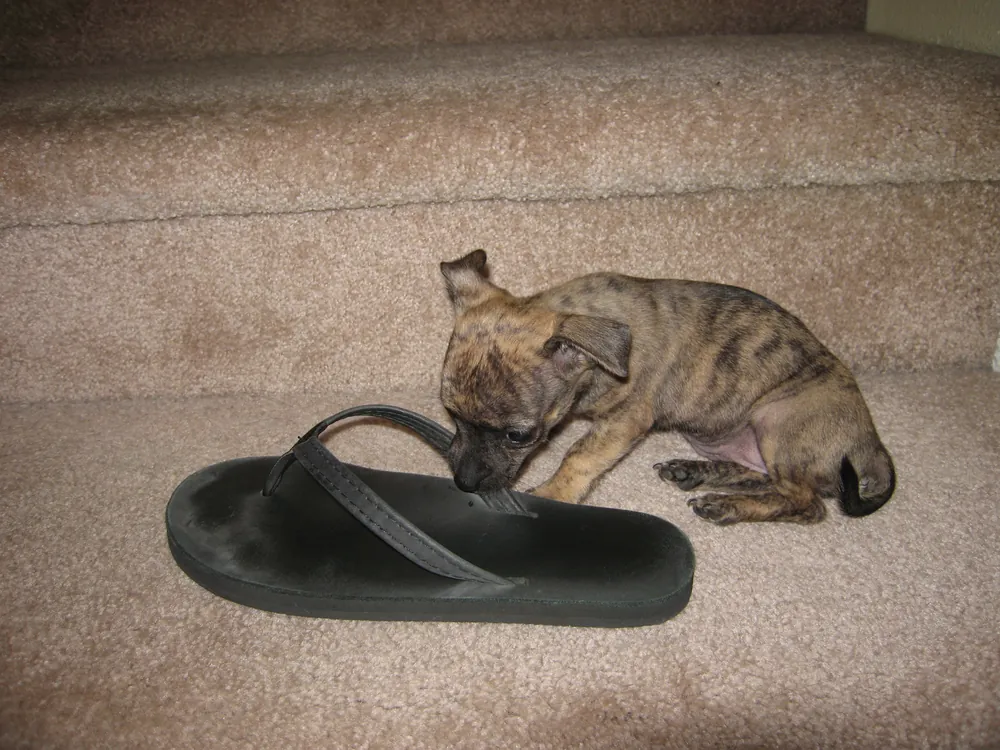
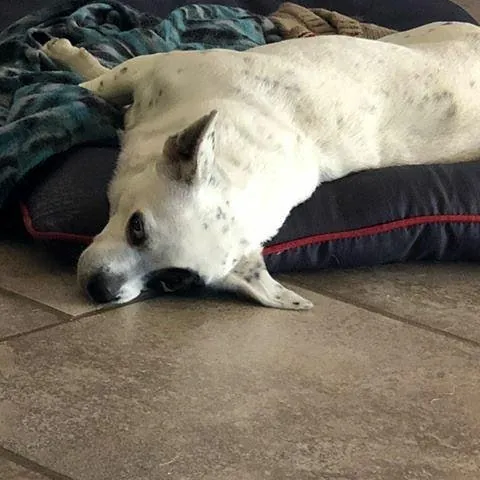
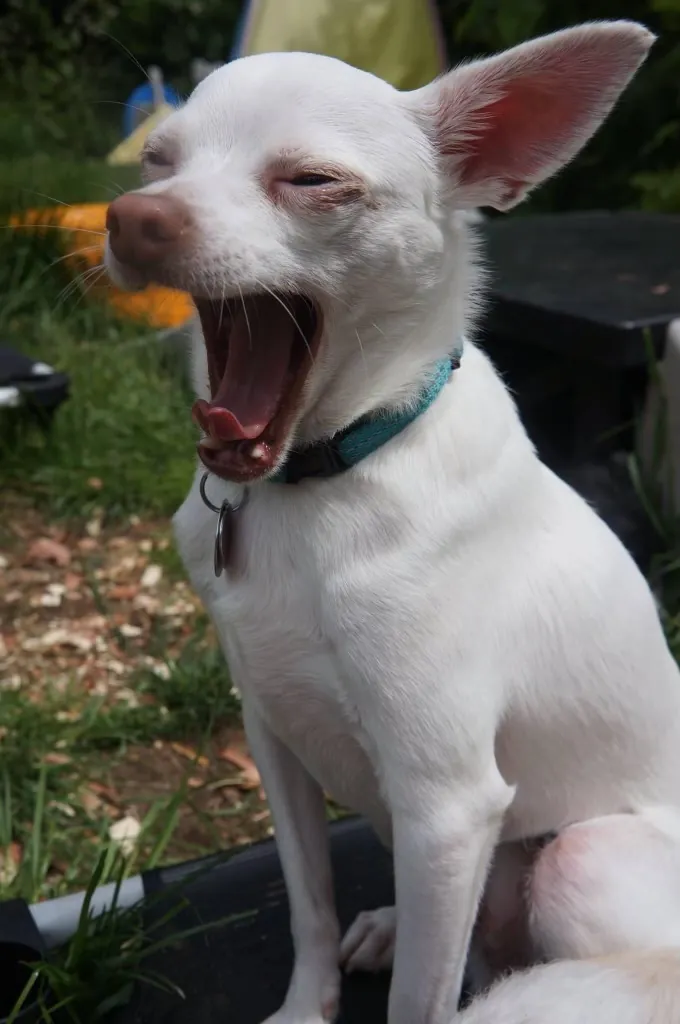
A note on our photos: every dog pictured on this page was described by its owner as a Jack Russell and Chihuahua mix or a Jack Chi. You’ll meet Sparky (top photo), Luna, Luck, Zoey and a young puppy. They show how differently the same cross can turn out.
Jack Chi quick facts
Every figure here is for a parent breed, from that breed’s registry. None is a measurement of the mix itself.
- Also called: Jack Chi, Jackahuahua, Jackhuahua, Jack-Chi. Informal names, not a recognized breed.
- Size (parent breeds): Chihuahua 5 to 8 inches and not over 6 pounds (AKC); Jack Russell Terrier 10 to 12 inches and about 11 to 13 pounds (UKC); Russell Terrier 10 to 12 inches and 9 to 15 pounds (AKC); Parson Russell Terrier 13 to 14 inches and 13 to 17 pounds (AKC). Together that’s roughly 5 to 14 inches and up to about 17 pounds.
- Lifespan (parent breeds): 14 to 16 years for the Chihuahua, 12 to 14 for the Russell Terrier and 13 to 15 for the Parson Russell Terrier (AKC; AKC; AKC). There is no published figure for the mix.
- Energy (AKC ratings): Chihuahua 4 out of 5; Russell and Parson Russell Terriers 5 out of 5. Plan for a busy little dog.
- Grooming and shedding (AKC ratings): shedding 2 out of 5 for the Chihuahua and Parson, 3 for the Russell. Usually an easy short coat; a long Chihuahua coat needs more brushing.
- Barking (AKC ratings): Chihuahua 5 out of 5, Russell Terrier 4, Parson 3. Expect an alert watchdog.
- Good with young children (AKC ratings): Chihuahua 1 out of 5; Russell and Parson 3 out of 5. Best with calm, older children or adults-only homes.
- Good with other dogs (AKC ratings): Chihuahua 3 out of 5; Russell and Parson 5 out of 5. Terriers have a strong prey drive, so take care with cats and small pets.
- Health to ask about: loose kneecaps, dental disease, heart disease, eye disease, deafness, weight, and tracheal collapse. Details and sources below.
- Good fit for: someone home much of the day who enjoys short daily walks, games and training, and doesn’t mind a dog that announces every visitor.
What a Jack Chi actually is
A Jack Chi has a Chihuahua on one side of the family and a Jack Russell-type terrier on the other, sometimes several generations back. Some are first-generation crosses of two purebred parents; many shelter dogs are mixes of mixes. We found no reliable record of when or where the cross was first bred (sources online disagree), so here are the two parents.
The Chihuahua side
The AKC calls the Chihuahua “a tiny dog with a huge personality” and “a national symbol of Mexico,” and says the breed takes its name from the Mexican state of Chihuahua, where the earliest specimens were found. Its likely ancestor is the Techichi, a larger, heavier dog kept by the Toltecs about a thousand years ago. The AKC recognized the Chihuahua in 1904, places it in the Toy Group, and describes it as “a balanced, graceful dog of terrier-like demeanor, weighing no more than 6 pounds,” with a rounded “apple” head, erect ears and coats that “come in many colors and patterns, and can be long or short” (AKC Chihuahua). Our Chihuahua guide and long-haired Chihuahua guide cover the purebred in more depth.
The Jack Russell side: three related terriers
“Jack Russell” is used loosely, and that matters for size. All three of these terriers trace back to the fox-hunting dogs of the Reverend John Russell, “The Sporting Parson,” in 1800s England:
- The Jack Russell Terrier is recognized by the United Kennel Club, not the AKC. The UKC describes a short-legged, slightly longer-than-tall dog, 10 to 12 inches and about 11 to 13 pounds, “bold, friendly, active and alert,” and “a high-energy breed” that “is happiest in an environment where there is lots of regular activity.” The UKC recognized these short-legged dogs as Russell Terriers in 2001 and renamed the breed Jack Russell Terrier in 2009 (UKC Jack Russell Terrier).
- The Russell Terrier is the AKC’s version of that compact, short-legged dog, recognized in 2012. The AKC calls it “upbeat, lively, inquisitive, and friendly” and “an eager, tireless working terrier” (AKC Russell Terrier).
- The Parson Russell Terrier is the taller, longer-legged, square-built relative, recognized by the AKC in 1997. The AKC notes that after John Russell’s death, the name “Jack Russell” was “misused to describe all mix and manner of working and hunt terriers” (AKC Parson Russell Terrier).
So the AKC doesn’t recognize a breed called the Jack Russell Terrier, but it does recognize two closely related ones. In practice, the terrier parent of a Jack Chi is rarely registered at all. A low, rectangular terrier parent points toward a smaller Jack Chi; a leggy one, toward a bigger dog. For how the Jack Russell compares with other hunt terriers, see our Fox Terrier and Patterdale Terrier guides.
Jack Chi vs Jack Russell vs Chihuahua vs Rat Terrier vs Chiweenie
Here’s how the parents compare, using registry figures and the AKC’s 1 to 5 trait ratings (5 = most), with two related small dogs alongside: the Rat Terrier, a small purebred terrier that can look similar, and the Chiweenie, a Chihuahua and Dachshund cross. The UKC doesn’t publish trait ratings for the Jack Russell Terrier, so the AKC’s Russell Terrier stands in on those lines. A Jack Chi can land anywhere between its parents on each line.
| Chihuahua | Jack Russell Terrier | Russell Terrier | Parson Russell Terrier | Jack Chi (mix) | Rat Terrier | Chiweenie (mix) | |
|---|---|---|---|---|---|---|---|
| Registry | AKC (Toy Group, 1904) | UKC; not AKC | AKC (Terrier Group, 2012) | AKC (Terrier Group, 1997) | None; a mix | AKC (Terrier Group, 2013) | None; a mix |
| Height | 5 to 8 in | 10 to 12 in | 10 to 12 in | 14 in (M), 13 in (F) | Varies; parent span about 5 to 14 in | 10 to 13 in (miniature), over 13 to 18 in (standard) | Varies; parent span about 5 to 9 in |
| Weight | Not over 6 lb | About 11 to 13 lb | 9 to 15 lb | 13 to 17 lb | Varies; up to about 17 lb | 10 to 25 lb | Varies; Dachshund 11 lb and under (mini) or 16 to 32 lb (standard) |
| Life expectancy | 14 to 16 yrs | Not given in UKC standard | 12 to 14 yrs | 13 to 15 yrs | Not studied | 12 to 18 yrs | Not studied |
| Coat | Smooth or long | Smooth, broken or rough | Smooth, broken or rough | Smooth or broken | Usually short; can be long or wiry | Short, smooth | Short, long or wire |
| Affectionate with family | 4 | Not rated | 5 | 5 | Usually high | 5 | Usually high |
| Good with young children | 1 | Not rated | 3 | 3 | Varies; supervise | 5 | Varies; supervise |
| Good with other dogs | 3 | Not rated | 5 | 5 | Varies; ask | 3 | Varies; ask |
| Openness to strangers | 2 | ”Bold, friendly” (UKC) | 5 | 3 | Often wary at first | 5 | Varies |
| Energy | 4 | ”High-energy” (UKC) | 5 | 5 | High | 4 | Moderate to high |
| Barking | 5 | Not rated | 4 | 3 | Usually high | 3 | Usually high (Dachshund 5) |
| Trainability | 3 | Not rated | 3 | 4 | Moderate | 5 | Moderate |
| Shedding | 2 | Not rated | 3 | 2 | Low to moderate | 3 | Low to moderate |
| Breed-club health tests (AKC) | Kneecaps, cardiac exam, eye exam | None listed in UKC standard | Kneecaps, eye exam, hearing (BAER), PLL DNA test | Kneecaps, eye exam, hearing (BAER) | Ask the shelter or your vet | See AKC page | Ask the shelter or your vet |
Sources: AKC Chihuahua, UKC Jack Russell Terrier standard, AKC Russell Terrier, AKC Parson Russell Terrier, AKC Rat Terrier, AKC Dachshund. The mix columns are simply the range between the parents, not measured data; the Chiweenie column uses the Dachshund’s AKC heights (5 to 6 inches miniature, 8 to 9 inches standard) and its barking rating of 5. Our long-haired miniature Dachshund guide covers that side of the Chiweenie.
The biggest differences are in size and in how each side greets the world. The Chihuahua side is tiny and, per the AKC, rated just 2 out of 5 for openness to strangers; the Russell side is bigger, sturdier, and rated 5 for both strangers and other dogs. Where your dog falls on that line matters more for daily life than its coat color.
Jack Chi or Rat Terrier? Both can be small, smooth-coated, white-and-colored dogs with upright or semi-upright ears. A purebred Rat Terrier comes in “varieties of pied patterns” with a smooth, shiny coat, in two size divisions (AKC), while a Jack Chi may show the Chihuahua’s rounded “apple” head and large erect ears. Looks alone can’t settle it, which is why we suggest meeting the dog, not the label (more below).
How big does a Jack Chi get?
Put the parents’ published figures together and you get roughly 5 to 14 inches at the shoulder and up to about 17 pounds. Most Jack Chis end up in the middle: bigger than a Chihuahua, smaller than a Parson Russell. But one that takes after a tiny Chihuahua can stay very small, and one with a leggy terrier parent can be the size of a small terrier.
Breed standards aren’t the whole story either. In a UK study of 11,647 Chihuahuas under veterinary care, the median adult weight was 3.4 kg (about 7.5 pounds), and weights ranged from 0.8 to 9.8 kg, about 2 to 22 pounds (O’Neill et al., 2020). Many pet Chihuahuas are bigger than the 6-pound show limit, so a Jack Chi’s Chihuahua parent may be too. If size matters to you, for your lap, your lease or carrying the dog up stairs, an adult dog lets you see it instead of guessing.
Coat, colors and looks
The Chihuahua comes in two coat varieties, smooth and long, in “many colors and patterns” (AKC Chihuahua). The Jack Russell’s coat is smooth, broken or rough (wiry), and the UKC standard prefers “solid white or predominantly white with any combination of black, tan, or brown markings” (UKC). So a Jack Chi may be white with tan or black patches like Sparky, solid black and tan like Luna, all white, fawn, brindle, or anything in between, with a short smooth coat, a slightly wiry one, or a longer, softer Chihuahua-style coat.
Ears vary too. The Chihuahua’s are “large, erect type ears,” while the Jack Russell’s are “small, V-shaped button or drop ears” that fold over (AKC Chihuahua standard; UKC). Many Jack Chis end up with tall, upright ears, but folded or one-up, one-down ears are common.


Temperament: what to realistically expect
These are registry descriptions of purebred parents, not predictions for any one mix.
The Chihuahua side. The AKC describes “alert and amusing” dogs with “terrier-like” temperament, and says Chihuahuas are “primarily indoor dogs, well-suited to small living spaces” who could “happily spend hours on your lap or snuggled under the blankets.” It also notes the Chihuahua “is clannish, preferring companions of his own breed.” Its ratings: 4 out of 5 for affection, 2 for openness to strangers, 1 for being good with young children, and 5 for barking (AKC Chihuahua).
The Jack Russell side. The UKC calls the Jack Russell “bold, friendly, active and alert” and “notoriously fearless” (UKC). The AKC says the Russell Terrier was “above all born to hunt vermin,” has “retained a strong prey drive,” and is “a handful, but with enough mental and physical exercise, there’s not a more devoted and loyal companion.” It rates the Russell 5 out of 5 for affection, openness to strangers and being good with other dogs (AKC Russell Terrier).
What the science says about breed and behavior. A 2022 study in Science surveyed owners of 18,385 dogs and genotyped 2,155 of them. It found that breed explains just 9% of the behavioral variation between individual dogs (Morrill et al., 2022). In plain English: breed is a weak guide to how any one dog will behave. That’s good news if you’re adopting an adult, because you can meet the actual dog and ask about its history.
Put together, many Jack Chis are devoted, playful little dogs that want to be wherever you are. In daily life:
- Family: usually very attached, often to one person in particular. A Jack Chi wants to be included, not left alone for long days.
- Strangers and the doorbell: expect barking first. Some warm up fast like a friendly terrier; others stay wary like many Chihuahuas.
- Other pets: many get on well with other dogs, but the terrier’s prey drive means cats, rabbits, guinea pigs and birds need careful, supervised introductions, and some Jack Chis should never be trusted with small pets.
- Children: a tiny dog can be hurt by a toddler, and a frightened small dog may snap. The AKC rates the Chihuahua just 1 out of 5 with young children (AKC). Jack Chis usually do best with adults or calm, older children, always supervised.
Male or female? No study has compared male and female Jack Chis. In the UK study of Chihuahuas under veterinary care, males were more likely than females to have aggression recorded in their vet notes, along with heart murmurs and ear and eye infections (O’Neill et al., 2020). That’s a population pattern, not a prediction: the individual dog’s history and personality matter far more, so ask the shelter or foster.


Exercise needs
More than its size suggests, especially if the terrier side shows. The AKC says the Russell Terrier “is not a breed for a couch-potato family” and that “a tired Russell Terrier is a good RT,” and recommends keeping Parson Russells on leash on outings because “the urge to go off on a chase may be irresistible” (AKC Russell Terrier; AKC Parson Russell Terrier). The Chihuahua side is easier: the AKC says Chihuahuas can “usually get enough exercise in a very small space,” that “short, slow walks” keep them in good condition, and to avoid overexerting them: “if your dog is panting and working hard to keep up, it’s time to pick him up and carry him home” (AKC Chihuahua).
For most Jack Chis that means a couple of short daily walks plus play: fetch down a hallway, tug with rules, sniff walks, food puzzles and short training games. How much a particular dog needs is something to ask the shelter or foster, who has seen it. Ask your vet before starting longer walks or hikes.
Leash and fence. Keep the leash on outside fenced areas, since a terrier that spots a squirrel may not come back. Walk your fence line for gaps a small dog could squeeze through or dig under, and make sure gates latch on their own.
Collar or harness? Cornell’s Riney Canine Health Center says tracheal collapse is common in toy and small breed dogs, and lists switching from neck collars to harnesses as one of the lifestyle changes for affected dogs (Cornell). Many small-dog owners use a well-fitted harness for walks for that reason; ask your vet what’s best for your dog.
Training
The AKC rates both the Chihuahua and the Russell Terrier 3 out of 5 for trainability, and the Parson 4. It says the Chihuahua is “a very alert little dog of high intelligence” that “responds well to positive training practices,” and that Chihuahuas “learn how to get their way.” For the Russell, “the first tool one must have” is “a good sense of humor”: they’re “extremely intelligent,” “bore easily,” and “master tricks easily” (AKC Chihuahua; AKC Russell Terrier). For the Parson, the AKC says “positive training methods focused on giving praise and rewards for desired behavior yield the best results” (AKC Parson Russell Terrier).
You’ll read online that small, bossy dogs need a “firm” or “pack leader” owner. The American Veterinary Society of Animal Behavior disagrees with harsh methods: it says evidence supports reward-based methods for all dog training, that “there is no evidence that aversive training is necessary,” and it advises against intimidation techniques such as “alpha rolls” (AVSAB, 2021). Kind, consistent, reward-based training is both safer and more effective, and especially important for a small dog that may snap when frightened.
What works well with this mix:
- A reliable recall and “leave it.” Practice in the house and a fenced yard first; the prey drive is real.
- A quiet cue. Reward a few seconds of quiet after the first bark at the door, then build up.
- Handling practice. Small dogs get picked up a lot. Pair lifting, nail trims, tooth brushing and ear checks with treats from day one.
- House training patience. Use a regular schedule and lots of rewards. Small dogs have small bladders, so plan frequent trips outside.
- Short sessions. Five minutes, a few times a day, with games and tricks, suits a dog that “bores easily.”
Grooming
Usually easy. For a smooth coat, the AKC says the Chihuahua “will need only occasional brushing and regular baths,” while the longhaired variety “should have his coat brushed at least once a week to avoid any tangles or mats.” The Russell Terrier’s smooth coat needs “an all-over rubdown with a soft brush or a hound glove once a week,” and its rough and broken coats need a weekly brush or comb. For both parents, the AKC recommends regular nail trims, weekly ear checks, and “good dental care,” including brushing your dog’s teeth (AKC Chihuahua; AKC Russell Terrier).
Teeth deserve extra attention on this mix (see the health section below). The American Veterinary Medical Association recommends regular dental checkups and brushing your pet’s teeth at home (AVMA). Many small, short-coated dogs also feel the cold, so a sweater or coat for winter walks is worth having.
Diet basics
There’s no special Jack Chi diet. The AKC’s advice for both parents is the same: a high-quality food suited to the dog’s age, an eye on calories, and few treats, because “some dogs are prone to getting overweight” and too many treats “can cause obesity.” It adds that table scraps should be given “sparingly, if at all,” avoiding cooked bones and high-fat foods (AKC Chihuahua; AKC Russell Terrier). On a dog this small, a pound or two is a big share of body weight, so ask your vet what a healthy weight looks like for your dog’s frame and how much to feed.
Health issues to know about
A mix can inherit health problems from either parent. A large University of California, Davis study found no difference between mixed-breed and purebred dogs in how often 13 inherited conditions turned up; purebreds were more likely to have 10 others, and mixed-breed dogs were more likely to have a ruptured cranial cruciate ligament, a common knee injury (Bellumori et al., 2013). So being a mix may help with some conditions, but it’s no guarantee of good health.
| Condition | Which parent breed | What the source says |
|---|---|---|
| Loose kneecaps (patellar luxation) | Both | On the AKC’s screening lists for the Chihuahua, Russell and Parson Russell Terrier (AKC; AKC; AKC). The American College of Veterinary Surgeons says affected dogs often “suddenly carry the limb up for a few steps” and that it can lead to arthritis over time (ACVS). |
| Dental disease | Chihuahua | Periodontal (gum) disease was the most common disorder in UK Chihuahuas, affecting 13.5%, and 5.7% had retained baby teeth (O’Neill et al., 2020). |
| Heart disease | Chihuahua | The AKC lists patent ductus arteriosus and mitral valve disease and recommends a cardiac exam (AKC). Heart disease was the most common recorded cause of death among the Chihuahuas that died during the UK study (O’Neill et al., 2020). |
| Eye disease | Both | Eye exams are on the AKC lists for all three parent breeds; the Russell Terrier list also includes a DNA test for primary lens luxation, where the lens of the eye slips out of place (AKC). |
| Deafness | Russell side | The AKC lists hearing (BAER) testing for the Russell and Parson Russell Terrier, and “congenital deafness” among Parson screening conditions (AKC; AKC). |
| Ataxia | Parson Russell | Late onset ataxia and spinocerebellar ataxia, conditions that affect coordination, are on the AKC’s Parson screening list (AKC). |
| Epilepsy | Chihuahua | The AKC says idiopathic epilepsy “is also known to occur in the breed” (AKC). |
| Obesity | Both | Recorded in 5.9% of UK Chihuahuas (O’Neill et al., 2020); the AKC warns both parents can become overweight (AKC; AKC). |
| Tracheal collapse | Toy and small breeds | A weakening of the windpipe that causes a “goose-honking” cough; Cornell says it is common in toy and small breed dogs that are middle-aged or older (Cornell). |
| Molera (soft spot on the skull) | Chihuahua | The AKC Chihuahua standard allows a skull “with or without molera,” an opening on top of the head (AKC Chihuahua standard). Ask your vet whether your dog has one and what it means for handling. |
What this means day to day: brush your dog’s teeth, book regular dental checkups, and ask your vet to check knees, heart, eyes and hearing at routine visits. Mention a skipping step, a honking cough, fainting, tiring easily, cloudy or red eyes, or not responding to sounds right away. Keep your dog lean. Adopting? You may not have parent test results, and that’s fine. Get the shelter’s vet records, book a checkup soon after adoption, and share this list with your vet.
Lifespan
No study has measured this mix’s lifespan, so any single number you see online is a guess. As a frame of reference, the AKC lists 14 to 16 years for the Chihuahua, 12 to 14 for the Russell Terrier and 13 to 15 for the Parson Russell Terrier (AKC; AKC; AKC), so many Jack Chis can be expected to live into their teens. That makes them lovely companions for the long haul, and a good reason to plan ahead for your dog’s care (see the backup-plan section below). Dental care, a lean weight and regular checkups shape any one dog’s years more than its label.

Jack Chi puppies
A puppy’s adult size, coat and temperament are especially hard to predict, since you’re guessing from two parents who may themselves be mixes. The puppy below, described by the photographer as “a cross between a Chihuahua and a Jack Russell Terrier,” is a dark brindle; Sparky and Zoey are mostly white; Luna is black and tan. Same cross, very different dogs.
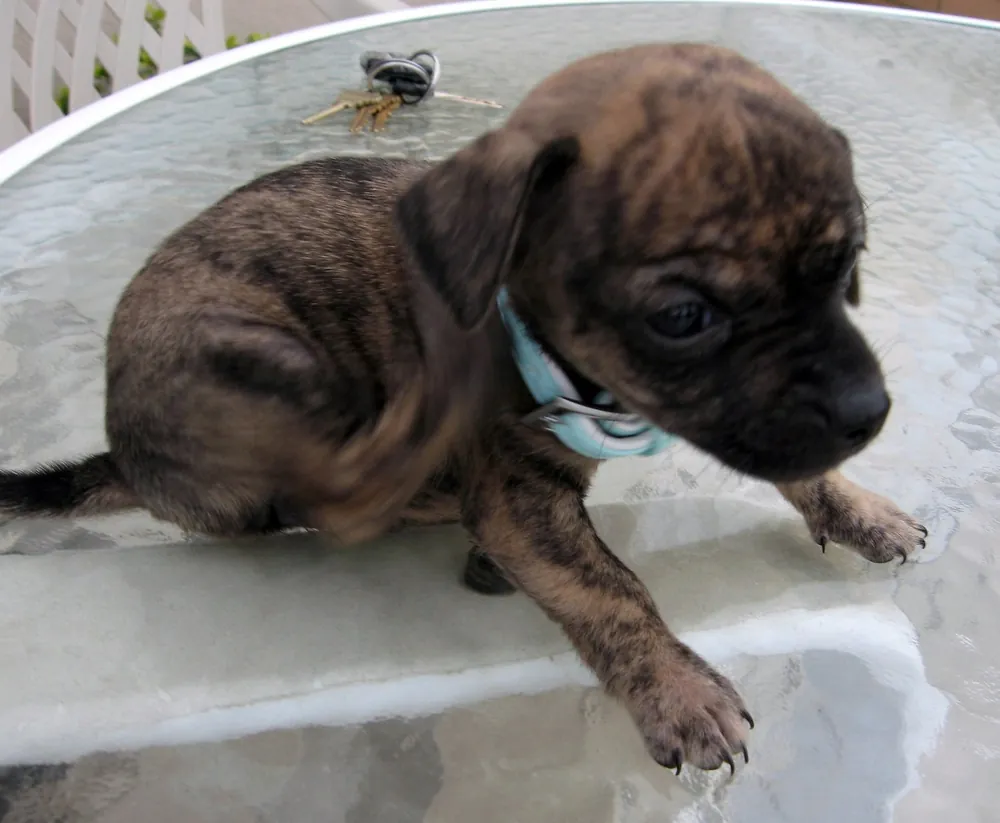
Puppies also mean house training, chewing, and months of socialization and puppy classes before you know who the adult will be. There’s no breed club or health-testing program for this cross, so be cautious with anyone selling “Jack Chi puppies.” Ask to meet the mother, ask which health tests both parents have had (the AKC’s parent-breed lists are in the comparison table above: kneecaps, eyes and heart on the Chihuahua side; kneecaps, eyes and hearing on the terrier side), and be wary of claims that the mix is “healthier” than either parent. For many people, especially first-time owners or anyone over 50, an adult from a shelter or foster home is the easier path.
Is that shelter dog really a Jack Chi?
Maybe, maybe not. Shelter breed labels are usually a staff member’s best guess from looks. In one study of adopted dogs, DNA confirmed the breed the adoption agency had named as a main breed in only 4 of 16 dogs, or 25% (Voith et al., 2009). In a larger study of shelter dogs, staff’s main breed label matched the main breed in the dog’s DNA in 56.7% of cases, a little better than a coin toss (Gunter et al., 2018). A dog that looks like a Jack Chi could just as easily be a Rat Terrier mix, a Toy Fox Terrier mix, or a Chihuahua crossed with something else entirely.
The takeaway: meet the dog, not the label. A DNA test can satisfy your curiosity later; our guide to figuring out your dog’s breed explains the options.
Is a Jack Chi right for me? A quick checklist
Written with adopters over 50 in mind. A few “no” answers don’t rule you out; they tell you what to plan for, or which dog to ask about.
- Yes / No: I can give a dog two or more short walks and some play every day, in the amount the shelter or foster says this dog needs.
- Yes / No: I’m OK with a dog that barks at the door and at noises, or I live where barking won’t bother neighbors.
- Yes / No: Someone is home much of the day, or I can arrange a sitter on long days.
- Yes / No: My home has no young children, or any children who visit are calm and supervised.
- Yes / No: I don’t have cats or small pets, or I’m ready for slow, careful introductions and the possibility that this dog isn’t safe with them.
- Yes / No: I can keep the dog leashed outside fenced areas, and my fence has no gaps a small dog could slip through.
- Yes / No: I’m comfortable brushing a dog’s teeth, or willing to learn, and budgeting for dental cleanings.
- Yes / No: I’m ready for a dog that may live into its teens, and I’ve thought about who would care for this dog if I ever couldn’t.
A Jack Chi may suit you if you’re home a lot, enjoy short walks and games, want a small dog that’s easy to lift and travel with, and like a dog with plenty of personality.
Consider a calmer dog if you want a quiet companion that greets everyone happily, if the dog would be alone most of the day, or if you have young grandchildren visiting often and a dog that’s nervous around them. An older, mellow Jack Chi that a foster knows well can be the exception.

A word on tripping and leash safety
This isn’t a reason to skip a small dog, but it’s worth planning for. A dog underfoot, or one that lunges after a squirrel, can throw you off balance. A University of Pennsylvania study estimated that fractures among Americans 65 and older linked to walking leashed dogs rose from about 1,671 in 2004 to 4,396 in 2017, and the authors suggested obedience training so dogs don’t lunge on walks (Pirruccio et al., 2019). Practical steps: teach a “wait” at doors and stairs, use a bed or mat so the dog has its own spot, keep a night light on, wear good shoes, and don’t wrap the leash around your wrist.
Costs to plan for
We found no reliable cost figures for this mix specifically, and we don’t quote puppy prices. The ASPCA’s estimate for a dog is $1,391 a year, and $3,221 for the first year once one-time costs are included (ASPCA). Budget for:
- Adoption fee, which at shelters and rescues often includes vaccines, a microchip and spay or neuter surgery. Ask what’s included.
- Routine vet care: exams, vaccines, parasite prevention, and dental care. With dental disease so common in Chihuahuas, plan for professional cleanings over the dog’s life.
- Pet insurance or an emergency fund. With kneecap, heart and eye conditions on the parent-breed lists, it’s worth pricing insurance before any condition becomes pre-existing.
- Food, training classes and gear: a harness, a crate or bed, chew toys, a sweater for cold weather, and care when you’re away.
Adopting a Jack Chi
Where to look
Start with shelters and rescues, and search for “Chihuahua mix,” “Jack Russell mix” and “Terrier mix,” since labels are often a guess. Chihuahua rescues and terrier rescues sometimes list mixes too. Foster-based rescues are especially helpful, because a foster family can tell you how the dog behaves in a real home. Our list of small dogs for adoption has tips for finding small dogs near you.

Questions to ask the shelter or rescue
The ASPCA suggests leaning on shelter staff “to help play matchmaker” and making sure the dog’s personality fits your lifestyle (ASPCA). For a Jack Chi, ask:
- How much does the dog bark, and at what? Doorbell, other dogs, being left alone?
- How does it react to strangers, visitors and being picked up?
- How has it done with other dogs, cats, small pets and children? In a foster home, or only in the kennel?
- Any history of snapping, guarding food or toys, or a bite? What happened?
- How does it handle being left alone, and being handled for nail trims, tooth brushing and baths?
- Is it house trained? Does it walk on a leash or harness without pulling?
- What do the vet records show about its teeth, knees, heart, eyes and hearing?
- Is there a foster-to-adopt or trial period, and what happens if it doesn’t work out?
Our list of 9 questions to ask when adopting a dog covers the general ones.
Give your dog a backup plan
A healthy Jack Chi may be with you well into its teens. Naming a backup caregiver now, someone who knows your dog and has agreed to step in, helps make sure your dog never has to go back to a shelter. Our guide What Happens to Your Dog When You Die walks you through it, and the free My Dog’s Backup Plan worksheet records your dog’s routine, vet, quirks and favorite things, so the person who steps in knows exactly how to care for them. Bone Voyage is also building the pledge: a promise by a volunteer to adopt a specific older adult’s dog if that person dies or can no longer care for it. You can join the free list on that same page.
Similar dogs to compare
If you’re weighing a Jack Chi, these related guides may help:
- Chihuahua, long-haired Chihuahua and 5 Chihuahua facts, for the Chihuahua side of the family.
- Fox Terrier and Patterdale Terrier, two more lively hunt terriers, with Jack Russell comparisons.
- Jackapoo, another Jack Russell cross.
- Chihuahua terrier mix breeds, a side-by-side look at the common Chihuahua and terrier crosses.
- Pitbull and Chihuahua mix, the Chipit, a Chihuahua cross whose size is hard to predict.
- Long-haired miniature Dachshund, one parent of the Chiweenie.
Frequently Asked Questions
What is a Jack Russell Chihuahua mix called?
Most often a Jack Chi. You’ll also see Jackahuahua, Jackhuahua and Jack-Chi. These are informal nicknames. The AKC and UKC don’t recognize the cross and there is no breed standard for it, so looks, size and temperament vary from dog to dog.
How big does a Jack Chi get?
There is no official size for the mix. The parents’ registry figures run from the Chihuahua’s 5 to 8 inches and 6 pounds or less (AKC) up to the Parson Russell Terrier’s 13 to 14 inches and 13 to 17 pounds (AKC), with the UKC’s Jack Russell Terrier at 10 to 12 inches and about 11 to 13 pounds in between (UKC). Most Jack Chis are small dogs somewhere in that span, and an adult dog lets you see the size instead of guessing.
What is the average lifespan of a Jack Russell Terrier Chihuahua mix?
No study has measured the mix’s lifespan, so treat any single number with caution. The AKC lists 14 to 16 years for the Chihuahua, 12 to 14 years for the Russell Terrier and 13 to 15 years for the Parson Russell Terrier (AKC; AKC; AKC), so many Jack Chis can be expected to live into their teens. Dental care, a lean weight and regular checkups matter more for any one dog than its label.
Do Jack Chis bark a lot?
Often, yes. The AKC rates the Chihuahua 5 out of 5 for barking, the Russell Terrier 4 and the Parson Russell Terrier 3, and rates both the Chihuahua and the Russell 4 out of 5 as watchdogs (AKC; AKC; AKC). Expect an alert little dog that tells you about the doorbell. Reward-based training can teach a quiet cue, and a shelter or foster can tell you how vocal a particular adult dog is.
Do Jack Russell Chihuahua mix shed?
Yes, a little to a moderate amount. The AKC rates the Chihuahua and the Parson Russell Terrier 2 out of 5 for shedding and the Russell Terrier 3 out of 5 (AKC; AKC; AKC). Most Jack Chis have a short coat that needs a weekly brush; one that inherits a long Chihuahua coat needs brushing at least weekly to prevent tangles.
Are Jack Chis hypoallergenic?
No. The AKC says there are no 100% hypoallergenic dogs, breeds or mixed breeds (AKC), and it rates both of the Jack Chi’s parent breeds 2 or 3 out of 5 for shedding (AKC; AKC). If you have dog allergies, spend time with the actual dog before adopting and talk to your doctor.
How much does a Jack Chi puppy typically cost?
There’s no set price, because no kennel club registers the cross and sellers set their own prices, so we don’t quote one. Adopting from a shelter or rescue means an adoption fee that often includes vaccines, a microchip and spay or neuter surgery. The ASPCA estimates that owning a dog costs about $1,391 a year, or $3,221 in the first year once one-time costs are included (ASPCA).
Before you go
Whatever its kennel card says, the Jack Chi in front of you is one specific dog with its own history and quirks, so weigh what you learn about that dog more heavily than anything on this page. And whatever dog you bring home, it’s worth deciding now who would step in for them if you ever couldn’t.
Sources
- American Kennel Club, Chihuahua breed page (height, weight, life expectancy, trait ratings, history, exercise, training, grooming, nutrition, health and recommended screening) and Official Standard of the Chihuahua
- American Kennel Club, Russell Terrier breed page and Parson Russell Terrier breed page (height, weight, life expectancy, trait ratings, history, exercise, training, grooming, health and recommended screening)
- American Kennel Club, Rat Terrier and Dachshund breed pages (for the comparison table) and Hypoallergenic Dogs
- United Kennel Club, Jack Russell Terrier breed standard
- O’Neill DG et al. (2020). Demography and commonly recorded clinical conditions of Chihuahuas under primary veterinary care in the UK in 2016. BMC Veterinary Research 16:42.
- Bellumori TP et al. (2013). Prevalence of inherited disorders among mixed-breed and purebred dogs: 27,254 cases (1995-2010). JAVMA 242(11):1549-55.
- Morrill K et al. (2022). Ancestry-inclusive dog genomics challenges popular breed stereotypes. Science 376(6592):eabk0639.
- Voith VL et al. (2009). Comparison of adoption agency breed identification and DNA breed identification of dogs. Journal of Applied Animal Welfare Science 12(3):253-62.
- Gunter LM et al. (2018). A canine identity crisis: Genetic breed heritage testing of shelter dogs. PLOS ONE 13(8):e0202633.
- Pirruccio K et al. (2019). Fractures in elderly Americans associated with walking leashed dogs. JAMA Surgery 154(5):458-459.
- American College of Veterinary Surgeons, Patellar Luxation
- Cornell University Riney Canine Health Center, Tracheal Collapse
- American Veterinary Medical Association, Pet Dental Care
- American Veterinary Society of Animal Behavior, Position Statement on Humane Dog Training (2021)
- ASPCA, Cutting Pet Care Costs and Finding your Fido: tips for adopting your new BFF
- Photos: Flickr and Wikimedia Commons photographers credited under each image, all under Creative Commons licenses or CC0. Full license records are kept in this site’s image-credits file.